
Why Quality Animal Bedding Matters
Good bedding does more than line a stall. For livestock and poultry, bedding quality directly affects animal health, safety and comfort.
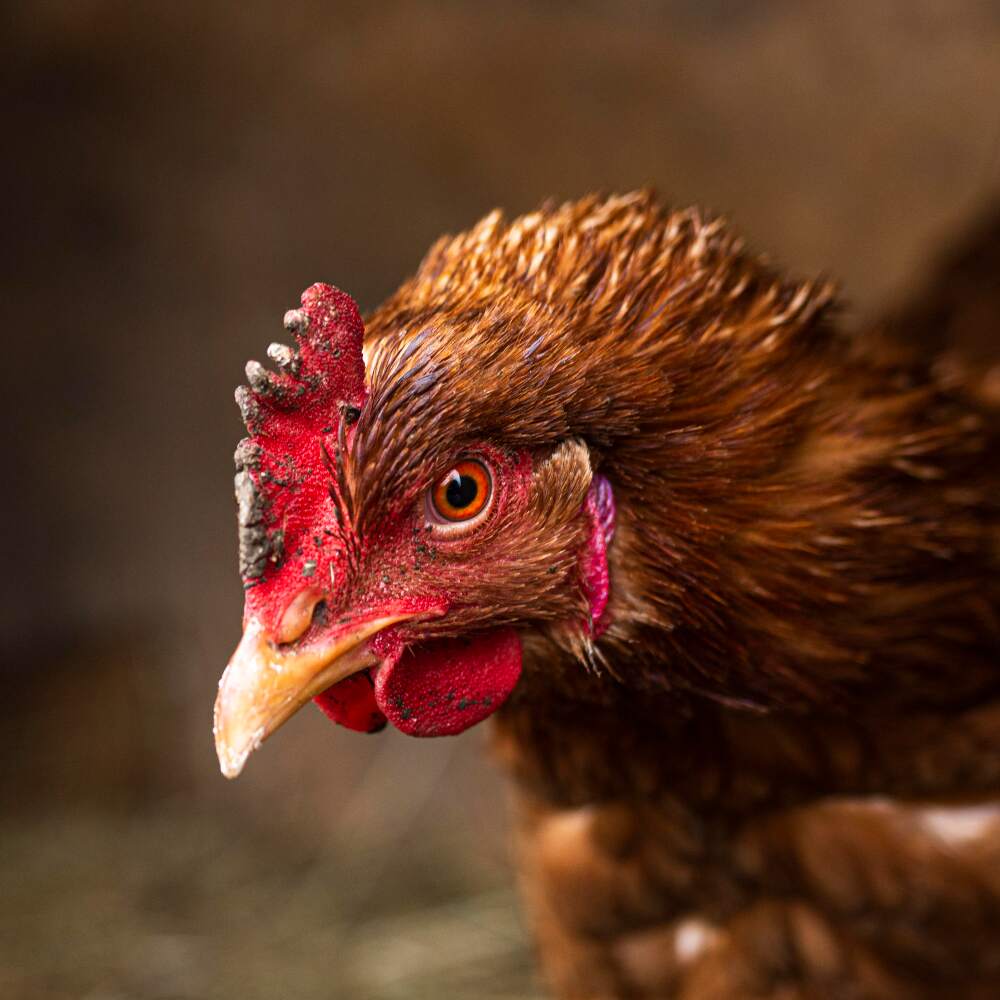
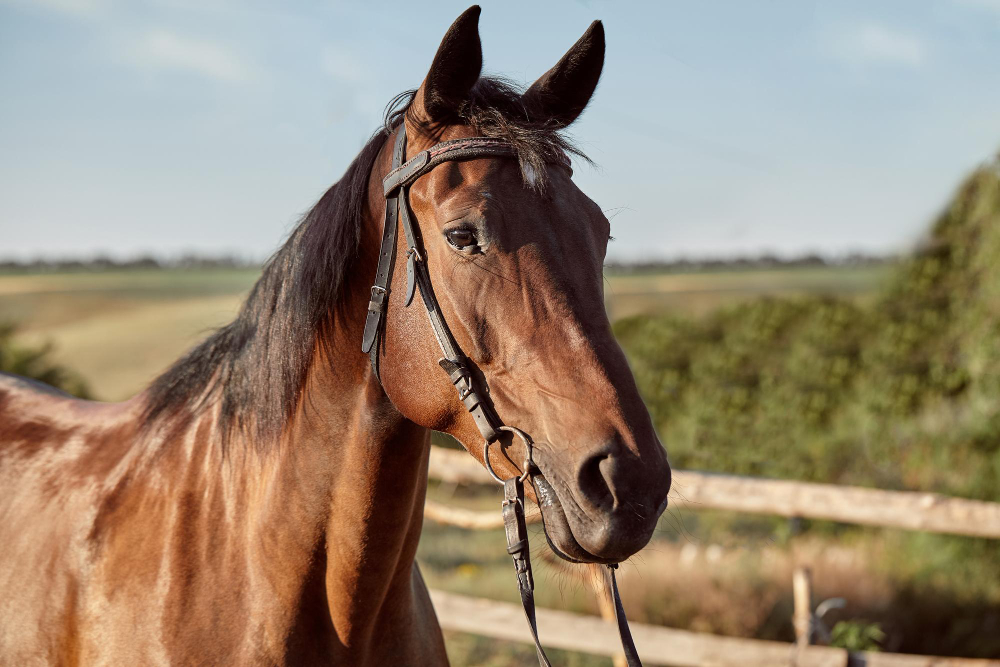
In poultry, wet bedding can lead to footpad dermatitis, a painful condition where prolonged dampness causes lesions on the feet. High ammonia levels in coops and stables irritate the airways. They make chickens more vulnerable to chronic respiratory disease and contribute to heaves in horses, an asthma-like condition linked to dust and poor air quality. For larger animals, unstable or clumped bedding increases the risk of hock sores and joint strain.
The right mix of absorbency, stability and odor control prevents these risks. It creates a healthier environment for your animals and makes barn maintenance simpler.
ETEPEK Animal Bedding
Our bedding combines natural materials into one blend that keeps animals comfortable and is easy to maintain. Below are its key components and what each one does. We can adjust the blend to your needs.
Absorbent Animal Bedding with Natural Odor Control
Peat is the absorbent core of the blend. It holds moisture and keeps the bedding surface drier for longer.
- Peat Composition: White peat (H1–H3 on the von Post scale, which measures how decomposed peat is) and brown peat (H4–H7) absorb moisture and regulate humidity, creating a drier barn environment.
- Odor Control: The naturally low pH of peat helps neutralize odors and keep ammonia levels down. This improves air quality for animals and staff, especially in enclosed coops and stables.
Balanced Texture for Comfort and Durability
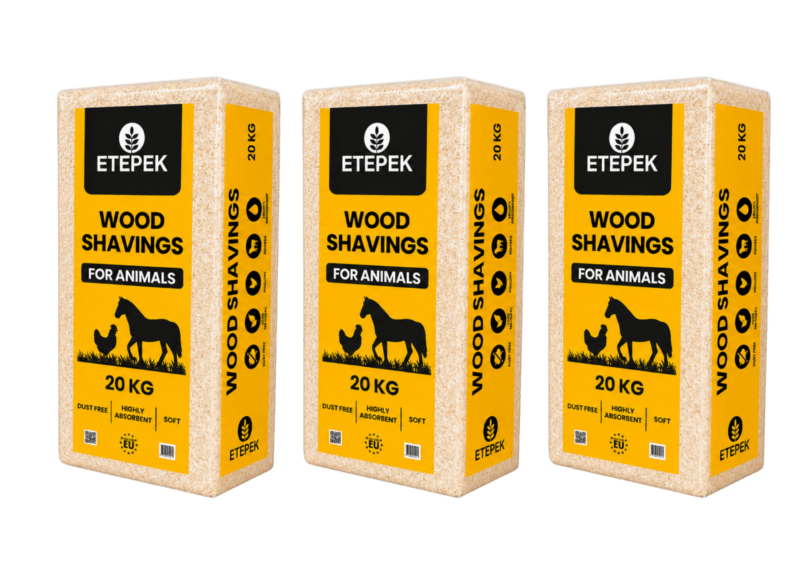
Wood shavings give the bedding structure. We use a mix of softwood and hardwood shavings, including aspen and alder.
- Softwood shavings: Add a soft, cushioning layer. Their natural resins help limit bacterial growth.
- Hardwood shavings: Balance the stronger resin and scent of softwood, add structure, reduce clumping and limit dust. The result is a stable surface that lowers the risk of foot injuries and respiratory irritation.
- Thermal treatment: All shavings are thermally treated, so the bedding is free of fungi, mould and pests.
Eco-Friendly Animal Bedding You Can Compost
Our bedding stays useful after it leaves the barn.
- Recyclable as Fertilizer: Mixed with manure, used bedding becomes a natural fertilizer, which adds value to farm operations and reduces waste. Learn how in our guide to composting used bedding.
- Sustainable Sourcing: We source peat and wood in Latvia and harvest them through sustainable practices. Read more about our approach to sustainability.
Choosing Farm Animal Bedding: Peat Blend, Wood Shavings or Pellets
Farm animal bedding needs to absorb moisture, control ammonia and keep dust low. Wood shavings give structure but absorb less. Wood pellets absorb well once they break down, but release dust as they crumble. Straw absorbs little and can carry mould spores.
Our blend combines the absorbency of peat with the structure of wood shavings, so you do not need to mix bedding types yourself. See our chicken coop bedding and horse stall bedding, learn what peat moss is, or request a quote.